

If you suspect your partner is cheating, it’s tempting to look for a “quick proof” shortcut. But this is where many people cross a line without realizing it: phone spying without consent can be illegal, can backfire, and can damage your position if things escalate (breakup, custody, legal disputes).
This guide is not a tutorial for secretly installing monitoring software on someone else’s phone. Instead, it covers realistic, privacy-respecting ways to get clarity — and explains where tools like mSpy are typically used legally (parental supervision and devices you own/manage).
Start here first: Is It Legal to Install a Monitoring App on Someone’s Phone? and Legal Phone Tracking: What’s Allowed and What’s Not.
Can you “catch a cheating partner” with mSpy?
Not in a responsible way if you’re talking about secret monitoring. Tools like mSpy are commonly marketed as monitoring solutions, but using them on a partner’s personal device without explicit consent is often unlawful and ethically risky.
Where mSpy is typically used legitimately:
- Parental supervision on a child’s device you own/manage
- Your own device (for recovery/testing/security purposes)
- Business-owned devices under clear company policy and lawful employee notice
If you’re looking for a lawful setup guide in the contexts above, start here:
Before you do anything: a 60-second reality check
- Don’t create a second problem: secret monitoring can be illegal and can backfire.
- Start with clarity: ask for a transparency agreement with boundaries.
- Secure your own accounts: passwords, 2FA, active sessions.
- If you fear spyware: protect your own device and seek professional help if needed.
Real use cases that don’t require illegal monitoring
Use case 1: A “transparency agreement” (the fastest clean outcome)
If your goal is clarity (not revenge), propose a short-term agreement with boundaries. Example:
- Both partners agree to share certain account info for a limited time (e.g., “device login list” / “active sessions”)
- Both partners agree on what is off limits (private messages, intimate photos, etc.)
- You agree on what happens if trust can’t be rebuilt (therapy, separation planning, etc.)
This is boring — but it’s the only path that doesn’t create a second problem (illegal monitoring) while trying to solve the first.
Use case 2: Check what you’re legally allowed to check (shared ownership)
Many couples share assets and accounts. In some situations you can review information you already legally control (for example, accounts under your name, shared subscriptions, shared devices). The rule of thumb: if it’s not yours and you don’t have consent, don’t access it.
When unsure, use this legal baseline: Legal Phone Tracking: What’s Allowed and What’s Not.
Use case 3: Protect yourself digitally (even if cheating isn’t the truth)
Suspicion often comes with anxiety, and anxiety makes people do impulsive things. A safer move is to tighten your own security:
- Change passwords to email, banking, and social accounts
- Enable 2-factor authentication (2FA)
- Review active sessions / logged-in devices on your key accounts
- Separate cloud backups if you previously shared a device or login
Use case 4: If you fear you’re being monitored, do a “device safety check” on YOUR phone
If you suspect tracking or spyware is involved (from anyone), focus on your own device security rather than trying to spy back. A practical start is to:
- Update OS + apps
- Remove unknown profiles/apps
- Reset privacy permissions and check device admin/accessibility settings
- Consider a clean reinstall / factory reset if risk is high
If you need a general monitoring overview (family context), this guide is a good baseline: How to Monitor Without Invading Privacy.
Where mSpy fits (legal scenarios only)
If you’re a parent (or managing a device you own and have authority over), mSpy can be used as a broad monitoring toolkit. If you’re trying to secretly monitor a partner’s personal phone, that’s the wrong use case.
mSpy (for parental supervision / devices you own)
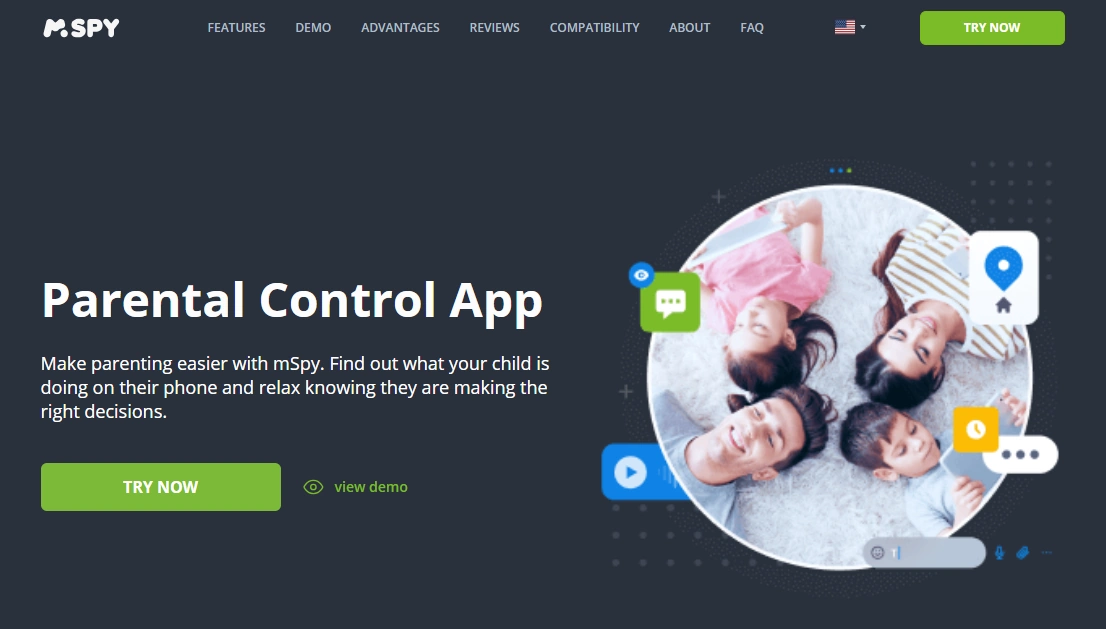
- Best for: parents who need a broad set of monitoring options (used transparently)
- Works on: Android & iPhone (setup depends on device/OS)
- Not for: secret partner monitoring
Before you use any monitoring tool, read the legality baseline: Is it legal to install a monitoring app on someone’s phone?
FAQ
Is it legal to install mSpy on my partner’s phone?
In many places, installing monitoring software on someone else’s phone without explicit consent is illegal. Use this guide as your starting point: Is It Legal to Install a Monitoring App on Someone’s Phone?
Can I use mSpy to “catch a cheater” without touching their phone?
Any meaningful monitoring generally requires device access or account access. If you don’t own the device and don’t have consent, you shouldn’t attempt it. Focus on legal options: communication, transparency agreements, and reviewing information you already lawfully control.
What’s the safest way to get clarity if I suspect cheating?
Ask for a limited-time transparency agreement with clear boundaries, or consider couples therapy. If your personal safety is at risk, talk to trusted support and consider professional advice.
What if I think my partner installed spyware on MY phone?
Prioritize your own device security: update software, remove unknown profiles/apps, reset permissions, and consider a clean reinstall if needed. If the situation feels dangerous, get professional help.
What are legal ways to track a phone?
Generally: track devices you own/manage, with consent/authority, and with clear boundaries. Start here: Legal Phone Tracking: What’s Allowed and What’s Not.